Monday, March 6, 2017

Frames and Conceptual Framework


Composition Rules - Guidelines to make your photos more compelling

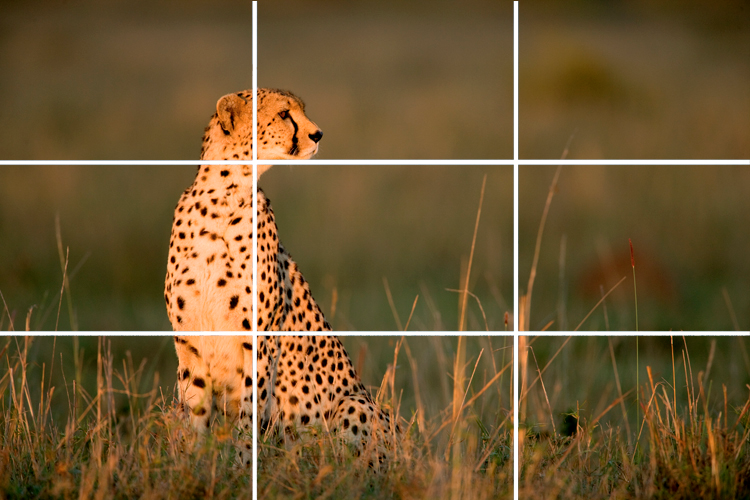
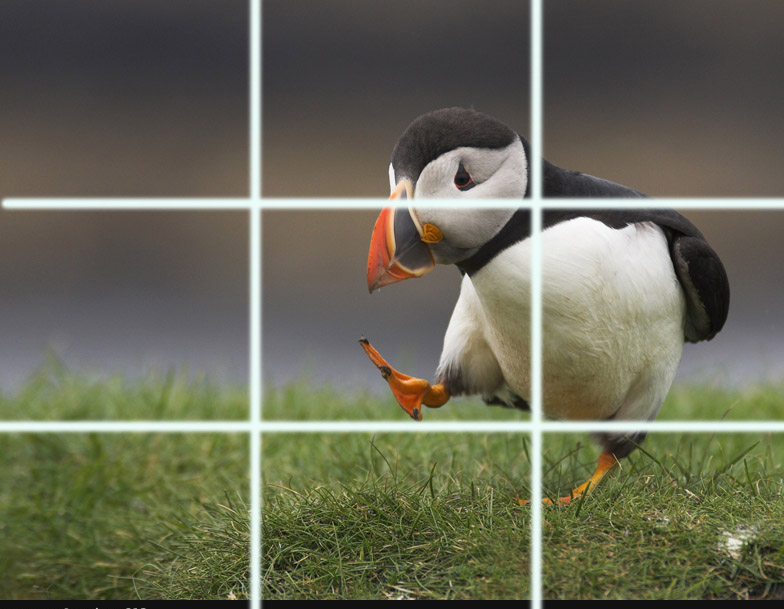
Rule of Thirds
Imagine you have divided an image into 9 equal portions by a set of vertical and horizontal lines. The Rule of Thirds says you should position the most important elements of your scene along those line or points where they intersect. This will add balance and interest to your photos.
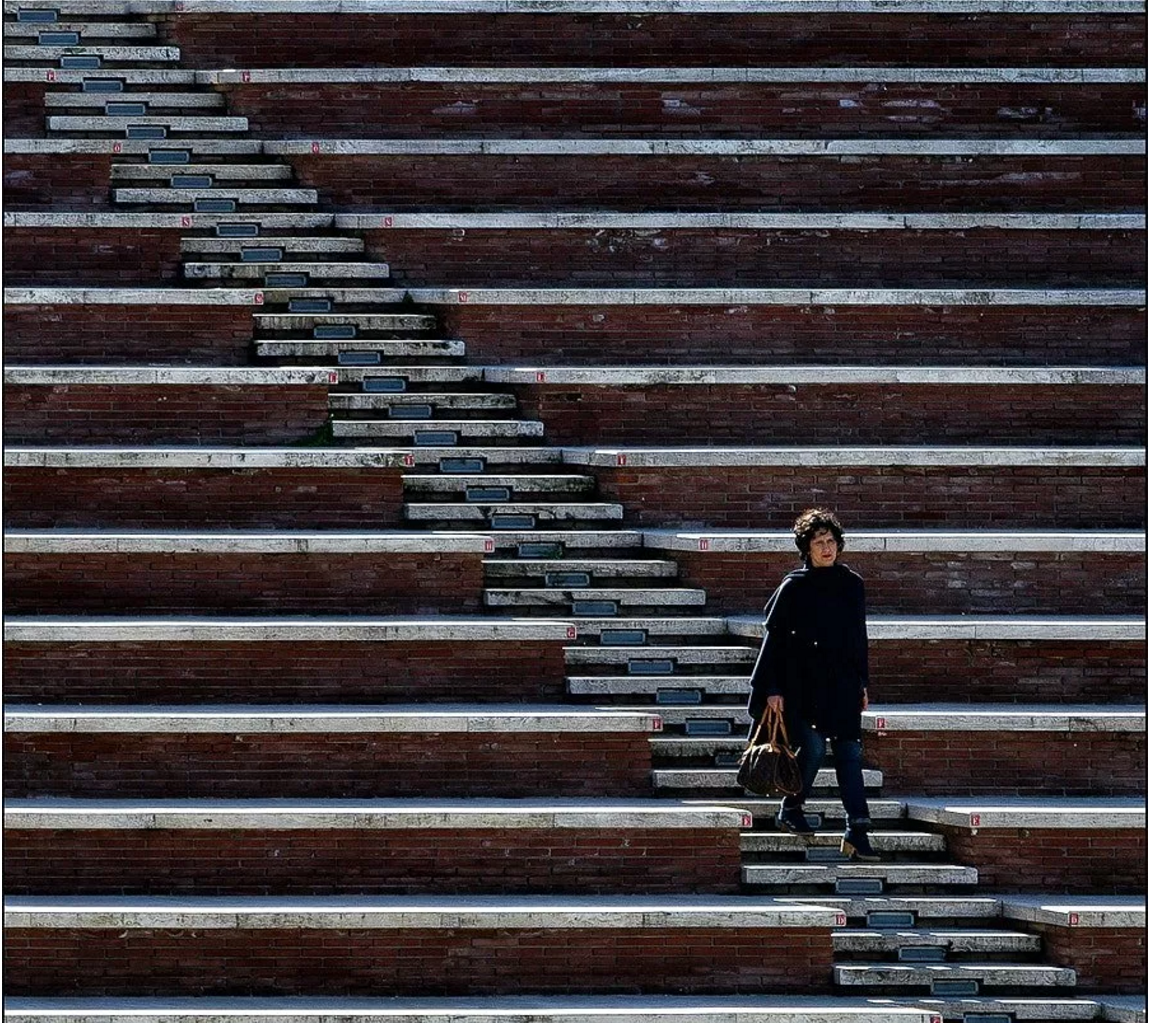
Diagonal Rule
Diagonal lines work to draw the eye of an image’s viewer through a photograph. They create points of interest as they cross with other lines. They give an image depth through the suggestion of perspective. The diagonal line doesn’t actually have to be a line, nor does it have to be straight. It could be a river, the tops of a set of trees or an imaginary line connecting different objects in the photo.


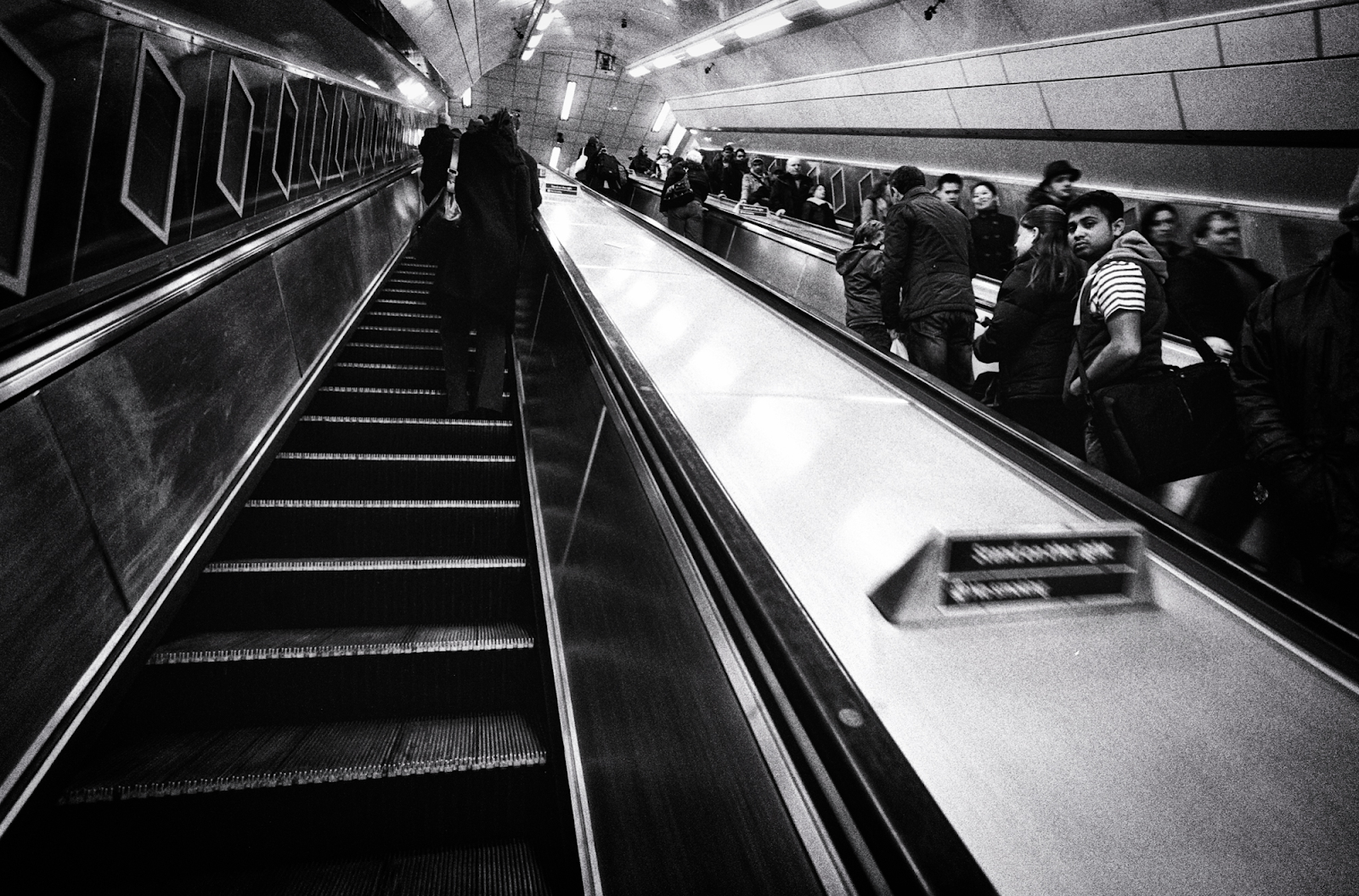
Leading Lines
Leading lines refers to a technique where attention is drawn to the main subject through the use of lines. A leading line creates an easy path for the eye to follow, usually starting at the bottom of the frame and leading upwards and inwards. Roadways are the easiest way to use leading lines because they actually go somewhere and they give a feeling of motion. Often lines that reach a vanishing point are also good to use eg. a railway line, path or road.


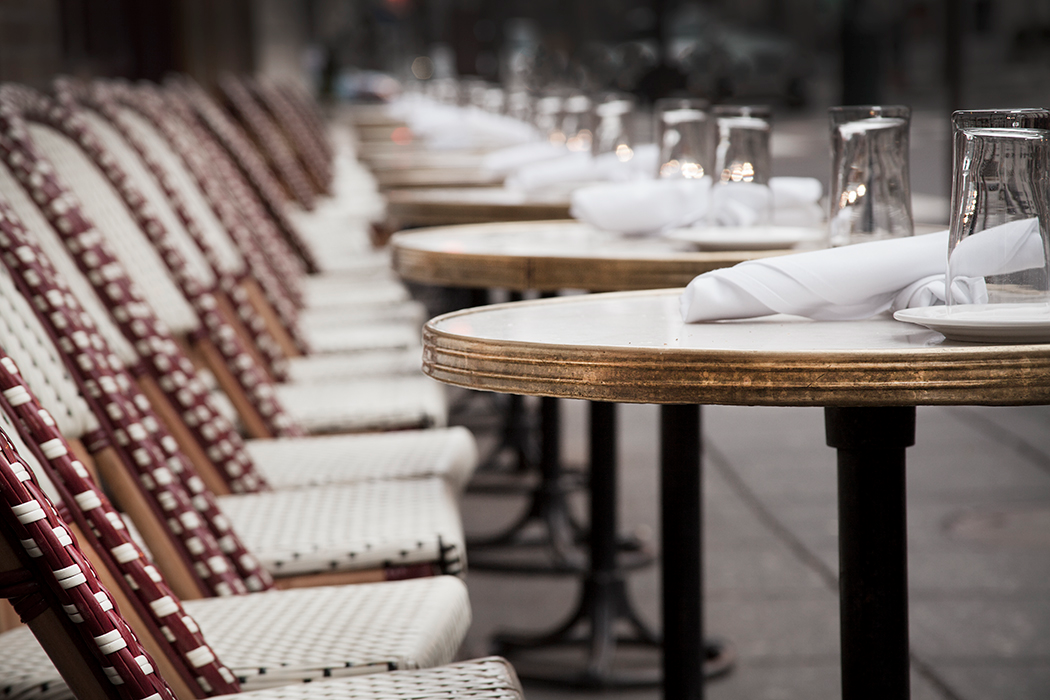
Viewpoint Variations
One way to make your images stand out from others is to see it from another angle or viewpoint. When thinking about the subject in front of you and how you will capture it, move around a bit, up and down. Find an angle that no-one else sees or has thought of and start to create your own style. By exploring your subjects beyond predictable first impressions, you can create new and startling compositions. Look for unusual viewpoints and always fill the frame (make sure your subject is not too far away).
Balance (60 - 30 - 10)
Balance can be shown in many different ways. The 60 - 30 - 10 rule is a way to create a natural balance in an image. The composition must be divided into three parts, 60% is the main section of the image, 30% is half as much as the largest part and 10% is usually an object that takes up the least amount of space in the composition.
  

Tuesday, February 7, 2017

Aperture

The purple areas represent the largest angles at which light could enter the aperture.

When an object is in focus, light rays coming from that point converge at a point on the camera's sensor. If the light rays hit the sensor at slightly different locations, then this object is rendered out of focus.

The lens with the larger aperture has a smaller distance range over which objects reaching the sensor will remain in focus.

A large opening lets in more light to the sensor, but gives a narrower depth of field so less of the image is in focus.
A small opening lets in less light to the sensor, but gives a wider depth of field so more of the image is in focus.


An interesting website -
Aperture and Shutter: Science of the F-Stop
www.picturecorrect.com/tips/aperture-and-shutter-science-of-the-f-stop/

References -
http://www.cambridgeincolour.com/forums/thread1357.htm
http://bohorbfcaphoto.weebly.com/blog/the-examples-of-aperture-iso-and-shutter-speed
http://caseylorzphoto.com/how-to-use-dslr-camera-like-pro/aperture-cheat-sheet


Monday, January 30, 2017

Rules and Expectations for Using the Internet

1. Never give out your personal information eg. where you live, your phone number etc.

2. Only use appropriate websites and images

3. Tell your teacher if you see something inappropriate

4. Only post constructive criticism and feedback to your peers

5. Keep all online behaviour respectful, safe and responsible

6. Use your common sense


Please comment your full name so I know you have read this.